It is no secret that the Marvel Cinematic Universe’s Multiverse Saga has been a bumpy ride. The second arc of the MCU has been overstuffed with new instalments, many of alternating quality, causing polarising audience responses. The reasons feel aplenty, though principle reasons include content overload, casting issues, quality control, and the impact of COVID.
Once Avengers: Secret Wars wraps up this ongoing saga in 2027, it is speculated that the MCU will undergo a literal, universal reset to merge the multiverse together into one new world and timeline. The third saga will be known as the Mutant Saga, with a presumed focus on the X-Men. With the prospects of the MCU growing even larger, it could face the same issues as in Phases Four to Six. From all angles, perhaps the best option would be to go smaller in scope.
Infinite Content
The launch of Disney+ meant that the House of Mouse had to have new streaming content across the board. They struck gold with The Mandalorian, then attempted to do the same thing with the MCU’s Phases Four and Five. Compared to Phase One releasing six instalments across six years, Phase Four ballooned with seventeen across two years of varying quality. Some were fantastic like WandaVision and Spider-Man: No Way Home, or more divisive like Thor: Love and Thunder and She-Hulk. As Phases Four and Five progressed, the quality control dipped in both writing and production. This is evident is the likes of Secret Invasion and Ant-Man and the Wasp: Quantumania.
Naturally, the effects of the pandemic forced Disney to reschedule the entire timeline for the Multiverse Saga, including filming and post-production. This led to a drop in quality in special effects, though it may have stemmed from the sacking of VFX director Victoria Alonso, who alleged her department was a toxic place to work (and ongoing criticism of Disney). Other contributing factors include endless reshoots across multiple projects, further pressure to spit out more content for Disney+, ballooning budgets, and increasingly poor receptions from tired audiences.
A Multiverse of IP
Although all the Marvel characters are under comic book banner as one, numerous characters can be regarded as brands or separate intellectual properties. Back in the 1990s, Marvel sold off the film rights to various studios during their near-bankruptcy, leading to smorgasbord of superhero movies in the early 2000s. The MCU was forged from this decision, turning relatively obscure characters into household names. Marvel have slowly been regaining their sold rights, regaining the X-Men and Fantastic Four with Disney’s acquisition of 20th Century Studios, have joint custody for Spider-Man with Sony, whilst the Hulk and Namor are over at Universal for complicated reasons.
In the Infinity Saga, there were between ten and eleven separate sub-brands under the Avengers umbrella – Iron Man, Thor, Captain America, Hulk, S.H.I.E.L.D., Ant-Man, Guardians of the Galaxy, Spider-Man, Black Panther, Doctor Strange, and Captain Marvel. Television shows released at the time like the Defenders Netflix shows were doing their own thing.
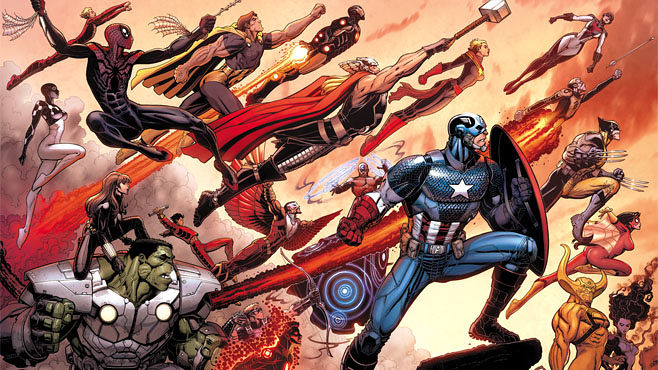
Along with most of the established IP being carried through to the new arc, Marvel had to juggle newcomers and alternative variants as well. New characters included Shang-Chi, the Eternals, Moon Knight, the TVA, Kate Bishop, America Chavez, Ms. Marvel, She-Hulk, Echo, Werewolf by Night, Ironheart, Agatha Harkness, the Fantastic Four, and the X-Men. Not to mention, returning characters from other Marvel projects and film franchises like Deadpool and Daredevil. Many of the new characters have been underused like Shang-Chi, or not at all like Moon Knight. The cast of the upcoming Avengers films are bound to be huge. The Infinity Saga pulled it off through the characters’ relationships explored over the phases; something which the Multiverse Saga has not particularly focused on.
Back to the Storyboard
Perhaps the biggest flaw of the ongoing saga was the abandonment and adjustments to the core storyline. In Loki, Kang the Conqueror was set up to be the main villain of the saga, played by Jonathan Majors, who also played Kang’s numerous alternate selves. However, Majors was arrested and charged with domestic violence in 2024, prompting Disney to fire him from the MCU. Rather than recast Kang, Marvel chose to scrap the character altogether after his introduction in Quantumania was met poorly.
These problems were resolved by casting a returning Robert Downey Jr. as Doctor Doom, whilst Kang was quietly swept under the rug via an off-screen defeat at the end of Loki. Downey’s return to the MCU after his exit as Iron Man could be considered a stroke of genius, or regarded as a Hail Mary on Marvel’s part to save the MCU’s dwindling success.
Another ongoing issue with the Multiverse Saga is a lack of resolution, especially in teased post-credit scenes. Almost every Phase Four film suffered this, the biggest offender being The Eternals, setting up the Black Knight (Kit Harington), Blade (Mahershala Ali), and Thanos’ brother Eros (Harry Styles). Blade’s own movie has been shelved indefinitely due to creative differences. The lack of resolve was likely decided in response to box office results, troubled productions, or perhaps were abandoned due to disinterest.
A Smaller Approach
It has been mentioned that the MCU will undergo a “Phase Zero” at the conclusion of the Multiverse Saga. This would lead to a singular timeline, include potential recasting of long-term characters, and focus on key characters or groups. The X-Men will naturally have a major focus in the future, with a new, younger cast playing the characters. Ryan Reynolds will likely stay on as Deadpool. Other known projects in the works are further sequels for Spider-Man, Black Panther, and Shang-Chi, and a Nova television series. A sequel to The Fantastic Four: First Steps was reported to be in production, though lacking a director.
Having a smaller plate of planned projects would drastically improve the MCU’s financial success, or return to the smoother format of the Infinity Saga. Marvel would prioritise characters or IP that have been successful or popular amongst fans and audiences, so Daredevil, Ms. Marvel, and Moon Knight may be carried over, or veterans like Thor and the Hulk may remain as they are. Chris Hemsworth has said he wishes to play Thor as long as he can.
Still, a reset presents an opportunity to explore new characters and storylines, or revisit those that were met with poor adaptations. Above all, it would give Marvel Studios a clean slate to start over. The alternative is that it creates a modified timeline where most of the MCU remains canon, but with some differences. But, that’s a topic for another time.

Leave a Comment